7 Benefits of a Musical Team Building Activity
to Strengthen Team Cohesion
Organizing a team-building activity shouldn’t just be about “doing something different.” To be effective, the activity must create a genuine moment of connection among team members.
A musical experience, such as Team Building Rock, allows participants to step outside their usual comfort zone while working on essential skills: listening, trust, collaboration, communication, and the joy of succeeding together.
In a world where many corporate activities tend to be similar, musical team building offers a more human, creative, and memorable approach. It allows participants to experience a tangible sense of collective achievement, even if they aren’t musicians.

Why does musical team building resonate with today’s teams?
Work teams operate in an environment where internal bonds can be weakened by remote work, demanding schedules, performance pressure, and organizational changes. As a result, HR leaders and managers are looking for activities that are not only enjoyable but also foster genuine team cohesion.
Musical team building effectively meets this need because it takes participants out of their usual environment without putting them in direct competition with one another. Music quickly creates common ground: each person can contribute in their own way, listen to others, adapt, and be part of a shared outcome.
The goal is not to turn a team into professional musicians. The goal is to create a shared experience that reveals the group’s dynamics in a different light.
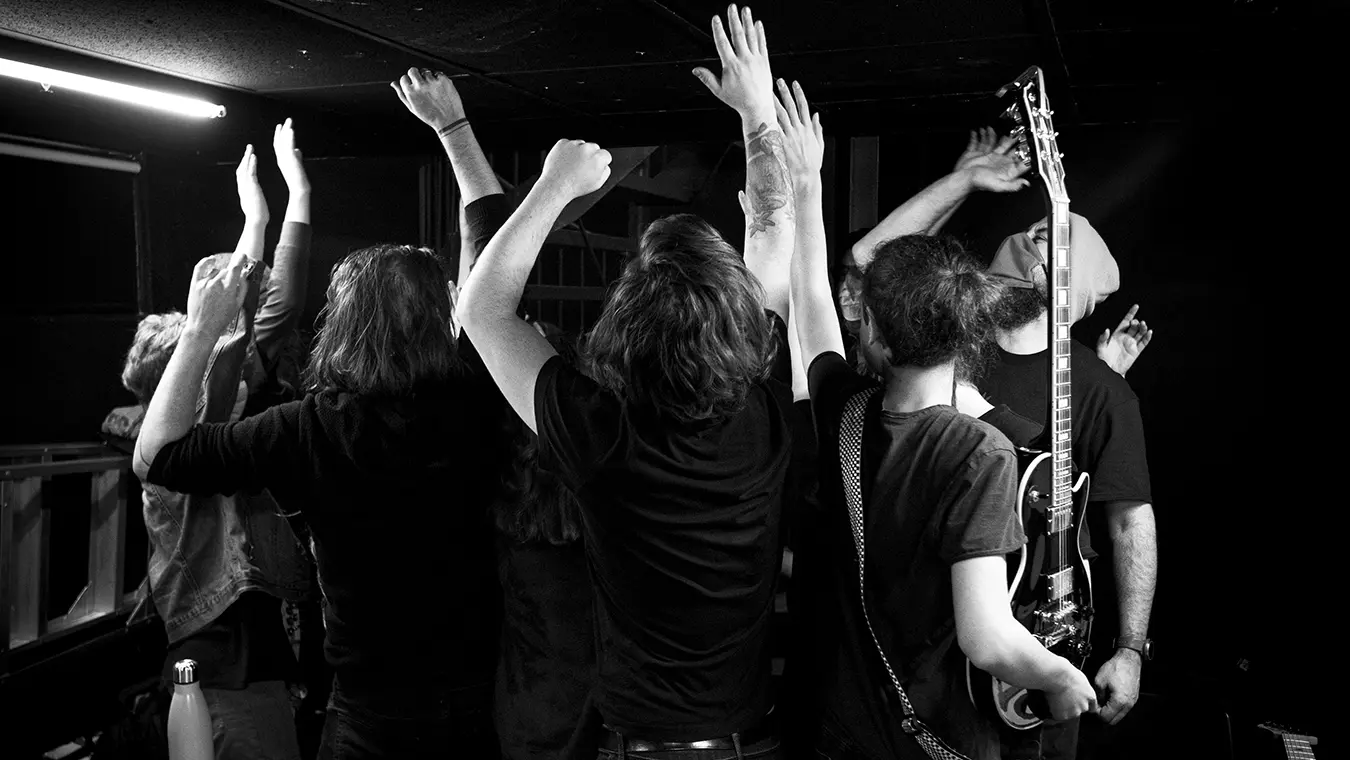
1. Break the ice without forcing the conversation
Some team-building activities rely heavily on speaking, presentations, or guided discussions. This can be effective for some teams, but more challenging for people who are reserved, new to the team, or less comfortable with structured social activities.
Music is a different way to break the ice. Participants engage in a shared activity in which the focus shifts to the collective experience rather than to individual performance.
It’s a natural way to build initial connections among coworkers, without forcing conversations or putting participants in an uncomfortable situation.
2. Improve communication among coworkers
In a band, you can’t just play your own part. You have to listen to the rhythm, the other instruments, the pauses, and how the band comes together.
This dynamic serves as a very concrete metaphor for teamwork. Everyone has a role, but the outcome depends on the group’s ability to listen to one another and move forward together.
For a work team, this kind of experience serves as a reminder that communication isn’t just about words. It’s also about paying attention, being adaptable, and knowing how to give others space.
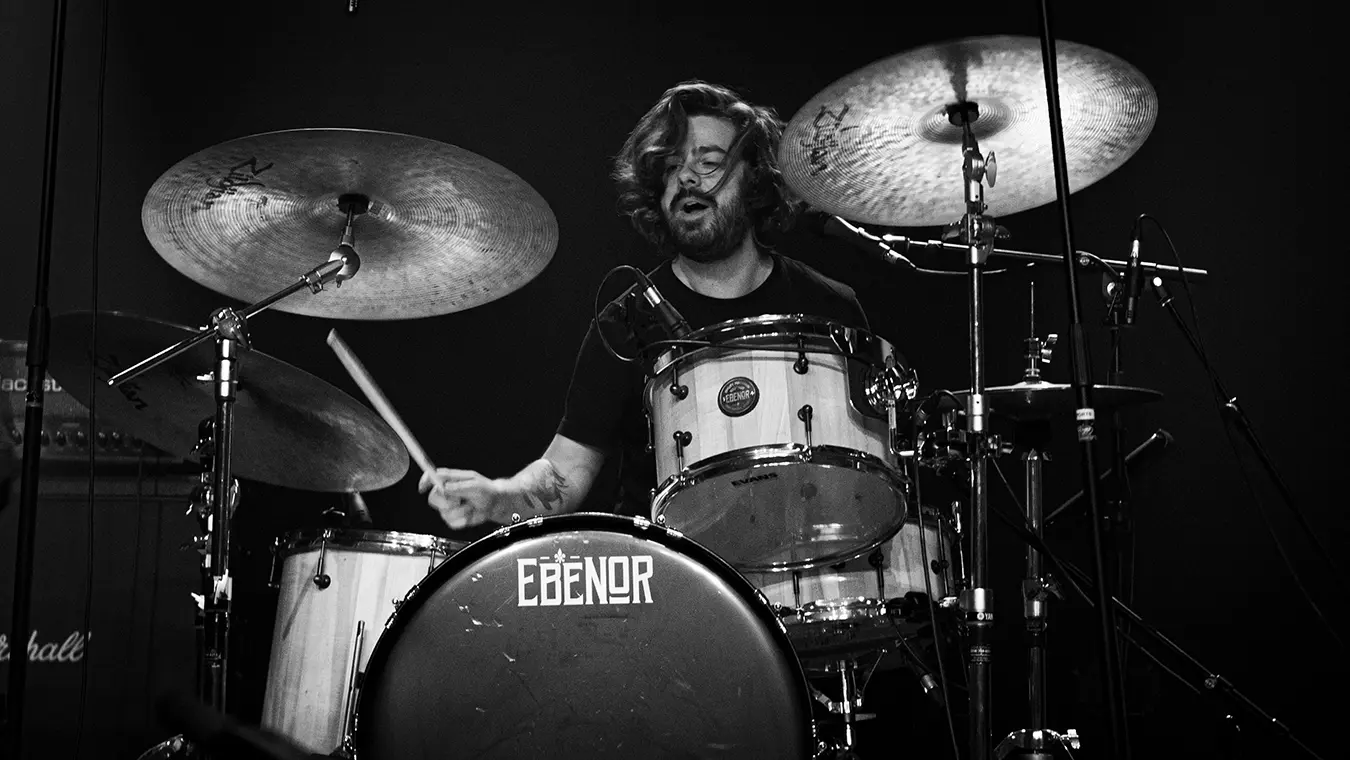
3. Create a quick collective success
A good team-building activity should allow the team to experience a tangible result. Participants should feel that they have accomplished something together, even in a short period of time.
In a musical activity, progress is quickly noticeable. At first, everything is new. Then, roles begin to take shape. After that, the group starts to create something that resembles a true collective performance.
This shared success is important because it gives participants a positive shared memory. The team isn’t just participating in an activity—it’s creating a shared experience.
4. Recognize strengths that aren’t always visible at work
The business newspaper often highlights certain skills: organization, speed, expertise, management, and efficiency. A musical activity can reveal other human strengths that aren’t always apparent in meetings or projects.
These qualities include natural leadership, active listening, patience, adaptability, a sense of humor, creativity, the ability to encourage others, and the ability to contribute without trying to hog the spotlight.
For HR leaders and managers, this kind of experience can be invaluable because it allows them to see team members in a different, more spontaneous, and more human context.
5. Strengthen the sense of belonging
A team is also built through shared memories. Meetings, deadlines, and projects create a framework for work, but shared experiences often forge a more lasting bond.
Engaging in an unusual, creative, and slightly unsettling activity can become a positive point of reference for the group. Participants talk about it afterward, remember it, and associate it with a time when they shared something other than tasks or goals.
Within an organization, these moments help foster a sense of belonging. They serve as a reminder that the team is not just a collection of roles, but a group of people who can create something together.

6. Encourage creativity without falling into abstract activities
Many organizations want to encourage creativity, but creative workshops can sometimes remain theoretical or be too far removed from the participants’ real-life experiences.
Music brings creativity to life. We try. We make adjustments. We try again. We listen to what others suggest. We accept that the result won’t be perfect right from the start.
This dynamic is relevant to work teams because it reminds us that a high-performing team is not just an efficient team. It is also a team capable of adapting, experimenting, and building on everyone’s contributions.
7. Offer a memorable, inclusive, and unique activity
The team-building market is highly competitive. Many activities promise team cohesion, fun, and collaboration. To stand out, an activity must offer an experience that is immediately understandable but difficult to confuse with all the others.
The advantage of a musical experience is that it naturally stands out. It doesn’t look like an office activity, a conference, or just a group game.
With the right guidance, it can remain accessible, inclusive, and professional, even for people with no musical experience.
It is this combination of originality, guidance, and group participation that makes musical team building particularly interesting.
Why choose a musical activity over a traditional team-building exercise?
Not all team-building activities serve the same purpose. Some are very fun, others are very athletic, and still others are very competitive. A musical activity takes up a different kind of space.
It focuses less on competition and more on listening, coordination, everyone’s contribution, and creating a shared outcome.
It is particularly well-suited for teams looking for a meaningful, unique, and unifying activity—without resorting to generic corporate team-building events.
Team Building Rock: A Musical Experience in Montreal for Companies and Organizations
At Immersion Rock Montréal, Team Building Rock was designed for companies, small and medium-sized businesses, organizations, and institutions that want to offer their teams a unique team-building activity.
The goal is not to turn your coworkers into professional musicians.
The goal is to provide them with a shared experience where everyone can participate, contribute, and leave with a strong shared memory.
The activity is led by coaches who guide participants step by step in a lively, accessible, and supportive musical environment.
Annie-Claude Nadon
Director of Operations – Immersion Rock Montréal